What to Do if You Were a Pedestrian That Was Struck by a Car
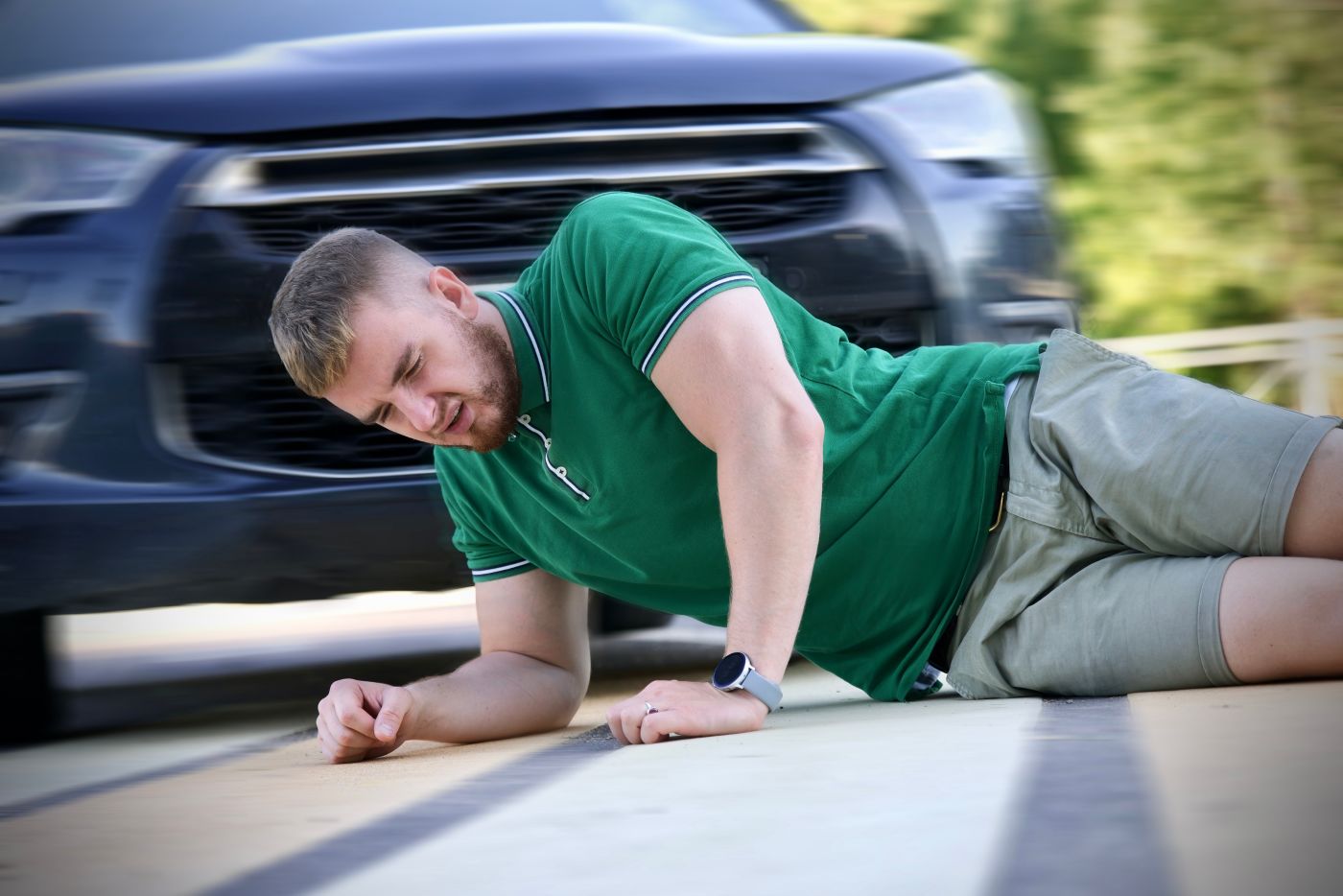
A pedestrian accident can be one of the most frightening and overwhelming experiences in someone’s life. One moment you’re walking along the street, and the next, your world is turned upside down. The physical pain can be immense, but the emotional and financial burdens that follow often take an even greater toll.
Questions start swirling in your mind—how will I pay my medical bills? Will I be able to work? What is my next step? During this incredibly difficult time, it can feel impossible to know where to turn for help. That's where we come in.
At Bean, Gentry, Wheeler & Paternell, PLLC, we understand how devastating these accidents can be. With over 45 years of experience serving clients across Thurston County, Tacoma, Seattle, and the greater Pacific Northwest, we’ve worked with countless individuals facing challenges just like yours.
Our goal is to help you regain control of your life by offering prompt communication, practical solutions, and hands-on support both online and in person. Our experienced team is here to guide you through every step of the process so that you don’t have to face this situation alone.
Pedestrian accidents can happen in the blink of an eye. Running red lights, distracted driving, and speeding are just a few examples of how these unfortunate incidents occur. Regardless of the cause, what remains constant is the need for immediate steps to protect your health, your rights, and your financial well-being. This blog will walk you through what to do if you are hit by a vehicle as a pedestrian and how we can assist you every step of the way.
The first thing to focus on after a pedestrian accident is your health. If you’re hurt, seek medical attention immediately—even if your injuries don’t seem severe at first. Some injuries, like concussions or internal bruising, may not show up until hours or days after the accident. By seeing a doctor right away, you’re not only protecting your well-being but also documenting the injuries caused by the accident, which can be crucial if you later decide to pursue a claim.
If you’re able, document the scene as quickly as possible. Take photos of your injuries, the vehicle involved, and the location where the accident happened. If there were witnesses to the accident, try to collect their contact information. All of this evidence can serve as valuable support when you’re seeking compensation or accountability from the driver responsible.
Calling the police is a key step in the aftermath of a pedestrian accident. Not only will the responding officers help manage the immediate situation, but they’ll also create a police report detailing what occurred. This report can become a vital piece of evidence if you choose to proceed with a claim. Make sure to share your account of the accident with the officers; it’s important that your side of the story is included.
We often hear from clients who aren’t sure whether they should report the incident if the driver seems apologetic or offers cash to avoid going through insurance. While it may feel tempting to spare yourself additional stress, reporting the accident creates an official record and protects you in case the other party later disputes their fault or the extent of your injuries.
Pedestrians generally have the right of way in most crossings and intersections under Washington state law. This means that many accidents involving vehicles and pedestrians result from driver negligence, such as failing to yield, speeding, or distracted driving. Even if you were outside of a crosswalk when the accident occurred, you may still be eligible for compensation.
It’s common for the insurance company representing the driver to push back against your claim or try to shift blame onto you. This is why it’s so important to have knowledgeable legal assistance on your side. We can help protect your interests, especially when dealing with insurance adjusters or defense attorneys who may aim to minimize your compensation.
Being struck by a car as a pedestrian can lead to significant financial, physical, and emotional hardships. Following a pedestrian accident, you may be entitled to recover damages, including:
Medical expenses: This includes both immediate care, like emergency room visits and surgeries, and long-term care, such as physical therapy or medications.
Lost wages: If you’re unable to work due to your injuries, you can seek compensation for the income you’ve lost, along with any impact on your future earning potential.
Pain and suffering: The emotional and physical toll of the accident isn’t just difficult—it’s compensable, too.
Property damage: If any personal belongings, such as a phone or bicycle, were damaged in the accident, those costs can also be recovered.
We’re here to help you assess the full extent of your losses so that nothing is overlooked. You deserve financial relief that reflects what you’ve fully endured.
At Bean, Gentry, Wheeler & Peternell, PLLC, our attorneys take a straightforward, people-centered approach to legal representation. We know that dealing with insurers and legal filings after a pedestrian accident can feel overwhelming. We'll help you negotiate with insurance companies, gather evidence, or pursue a lawsuit if necessary.
Our clients value us for our responsiveness, accessibility, and hands-on approach. We know your time is valuable, and that’s why we offer both in-person and online consultations to fit into your busy life. With decades of experience serving individuals throughout the Pacific Northwest, we strive to offer practical and compassionate solutions tailored to your needs.
Our firm serves clients throughout Thurston County, Tacoma, Seattle, and the greater Pacific Northwest. Contact us today to schedule your consultation. We’re here to listen, guide, and advocate for you so that you can focus on healing and moving forward.